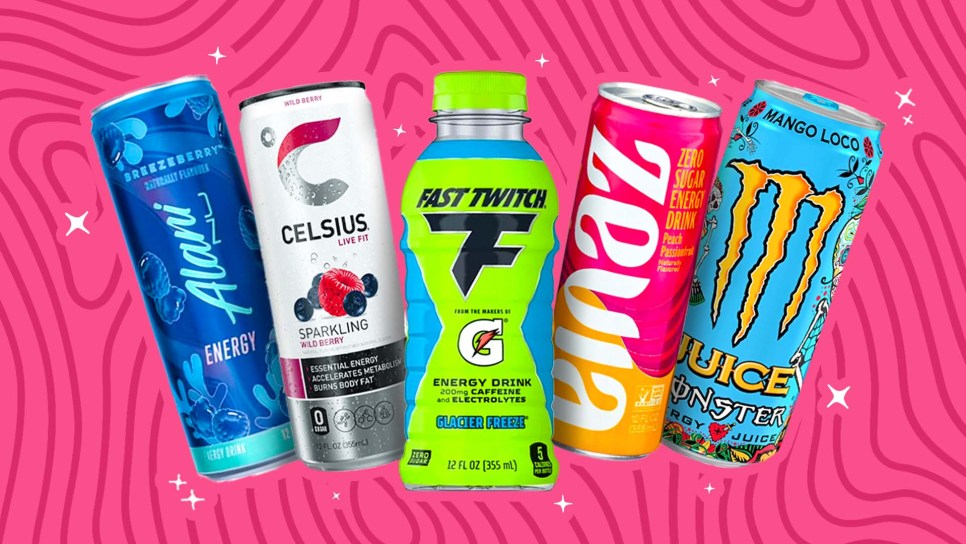
It is early in the morning and students are already cracking a can open before the five minute bell rings, hoping to get through a school day. It seems like more than half of the school can be seen with an energy drink in their hand. For many, energy drinks replace breakfast.
“I have six energy drinks a week, so I always have at least one a day, but sometimes when needed, I drink two,” Chloe Godesa, sophomore, said.
For students like Godesa, these drinks have become a morning routine.
While energy drinks may be effective at first, they can leave teens feeling more anxious, affecting them in other negative ways. According to research posted to the National Library for Medicine, increased dependence on these drinks is dangerous for young people and access should be controlled.
In South Carolina, a 16 year old died after consuming a McDonalds latte, a large Mountain Dew, and an energy drink despite having no underlying health problems. In Maryland, a 14 year old drank two 24 ounce Monsters (the caffeine equivalent of 14 cans of Coke) and went into cardiac arrest before dying with her parents by her side. In North Carolina, a healthy 2o year old died from a caffeine-induced heart attack after regularly consuming one to two energy drinks a day.
Many students don’t fully understand the danger of energy drink consumption, seeing the drinks as a quick way to wake up and ready themselves for school.
High school students often use energy drinks to give them a boost on early mornings or after school when they are busy. As extracurricular activities pile up, students need more energy to keep up. But with late nights for homework or scrolling on social media, it is hard to get enough rest, making caffeine a primary source to remain alert. In recent years, coffee drinks are more often being replaced by energy drinks.
“An energy drink is an effective way for me to stay energized through school and track,” Godesa said.
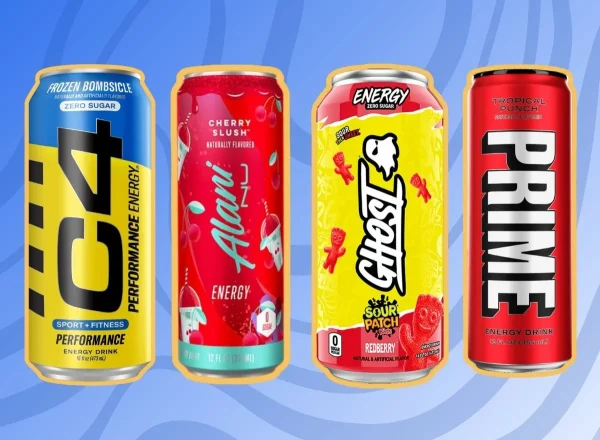
Brands like Celsius, Alani, Ghost, Monster, Red Bull, and C4 all maintain popularity with the student body, with a number of students showing loyalty to a favorite brand and flavor.
TikTok and social media have increased the popularity of energy drinks, hyping new and limited flavors.
“I have about three to five energy drinks per week,” Caroline McClellan, sophomore, said. McClellan admits they are sometimes what gets her through a Monday morning.
While some students drink one energy drink every day, some only consume it on the busier days. However, overtime, a cycle is bound to form. Relying on it more often can cause it to become a habit. This habit can disrupt sleep, creating a loop of irregular sleep schedules and more dependence on caffeine. This is because caffeine immensely affects the nervous system. It blocks adonessine, which is a brain chemical that triggers sleep.
With higher caffeine levels than coffee, energy drinks cause serious risks for teens. Teens are still developing, and drinks like these may result in heart and body issues, like rapid heartbeat and high blood pressure.
According to America’s Poison Centers, there was a 24% increase in pediatric exposure to energy drinks for children and teens from 2022 to 2023. In addition, emergency room visits related to caffeine overdose or adverse effects of consumption more than doubled for middle school children between 2017 and 2023.
According to Harvard Health, the FDA has received “numerous reports linking energy drink consumption to deaths and serious adverse reactions, including elevated blood pressure, convulsions, and heart rhythm abnormalities” and recommends that while 400 mg a day is safe for most healthy adults, teens should limit their intake to 100 mg or less of caffeine per day. With some energy drinks containing over 240 mg, this makes even one energy drink too much.
Energy drinks also remain a mystery to doctors and researchers, as according to the National Library of Medicine, the drinks contain additional neurostimulants whose long-term effects are yet unknown.
Energy drinks and lack of sleep can delay the development process that is crucial for teens.
Although at first energy drinks do give energy, in the long term, they can overwork neurons leading to anxiety, heart issues, and even death.
The truth is the cons outweigh the pros when it comes to energy drinks. For students juggling school, sports, and social life, energy drinks may seem like a quick fix, but managing caffeine carefully is key to staying healthy and alert.