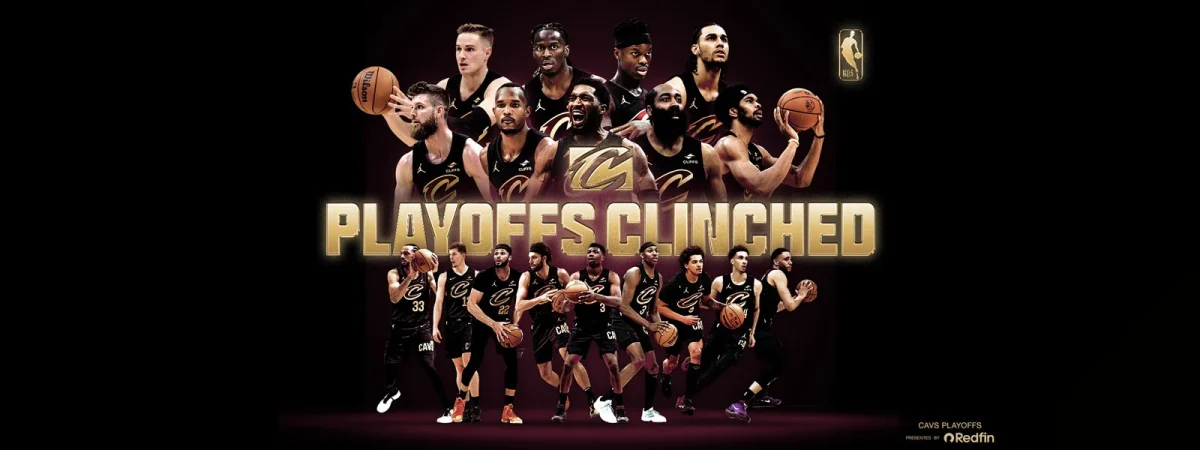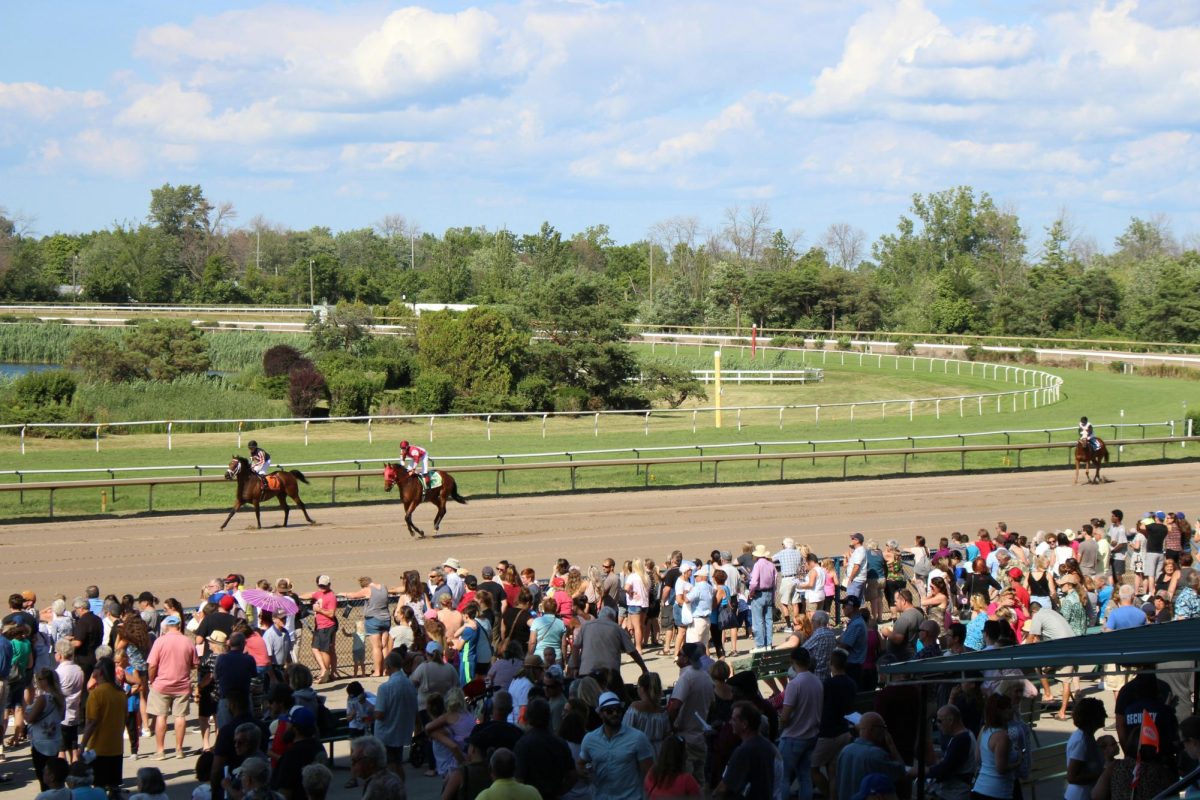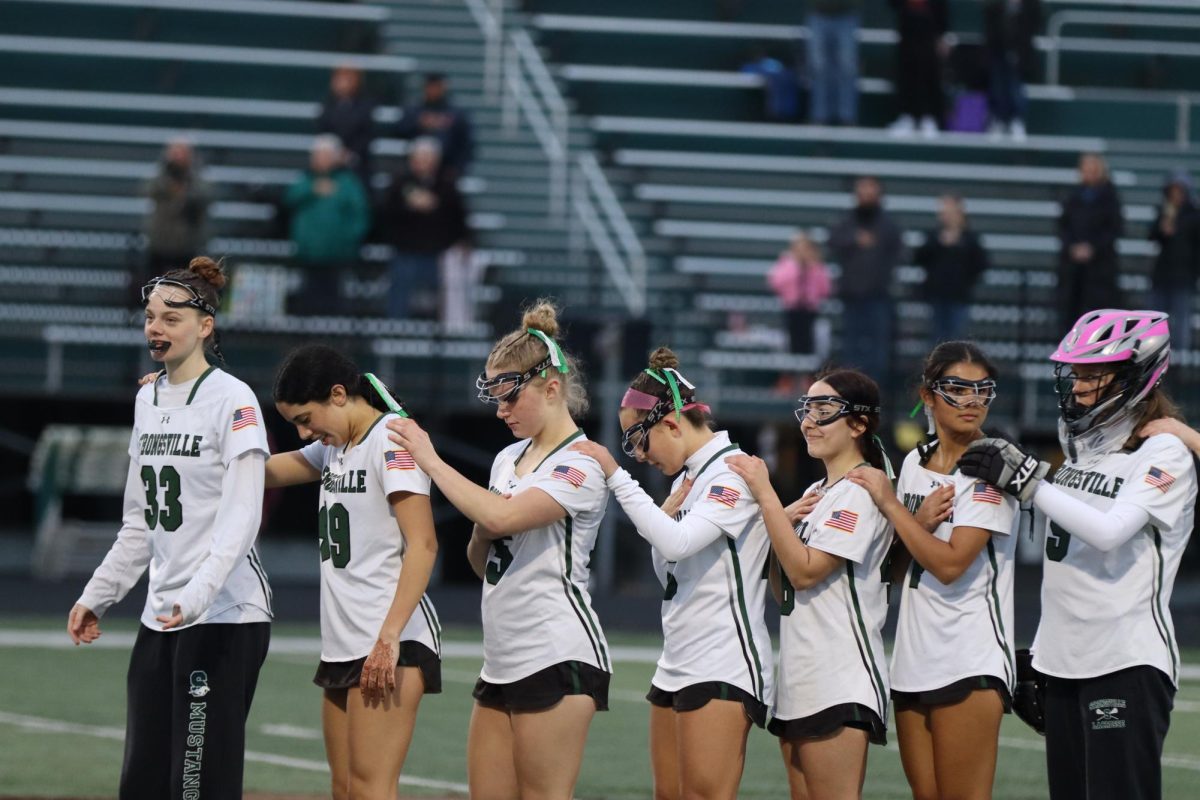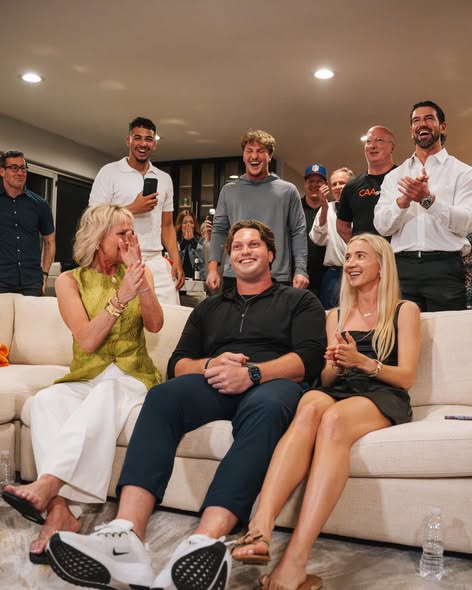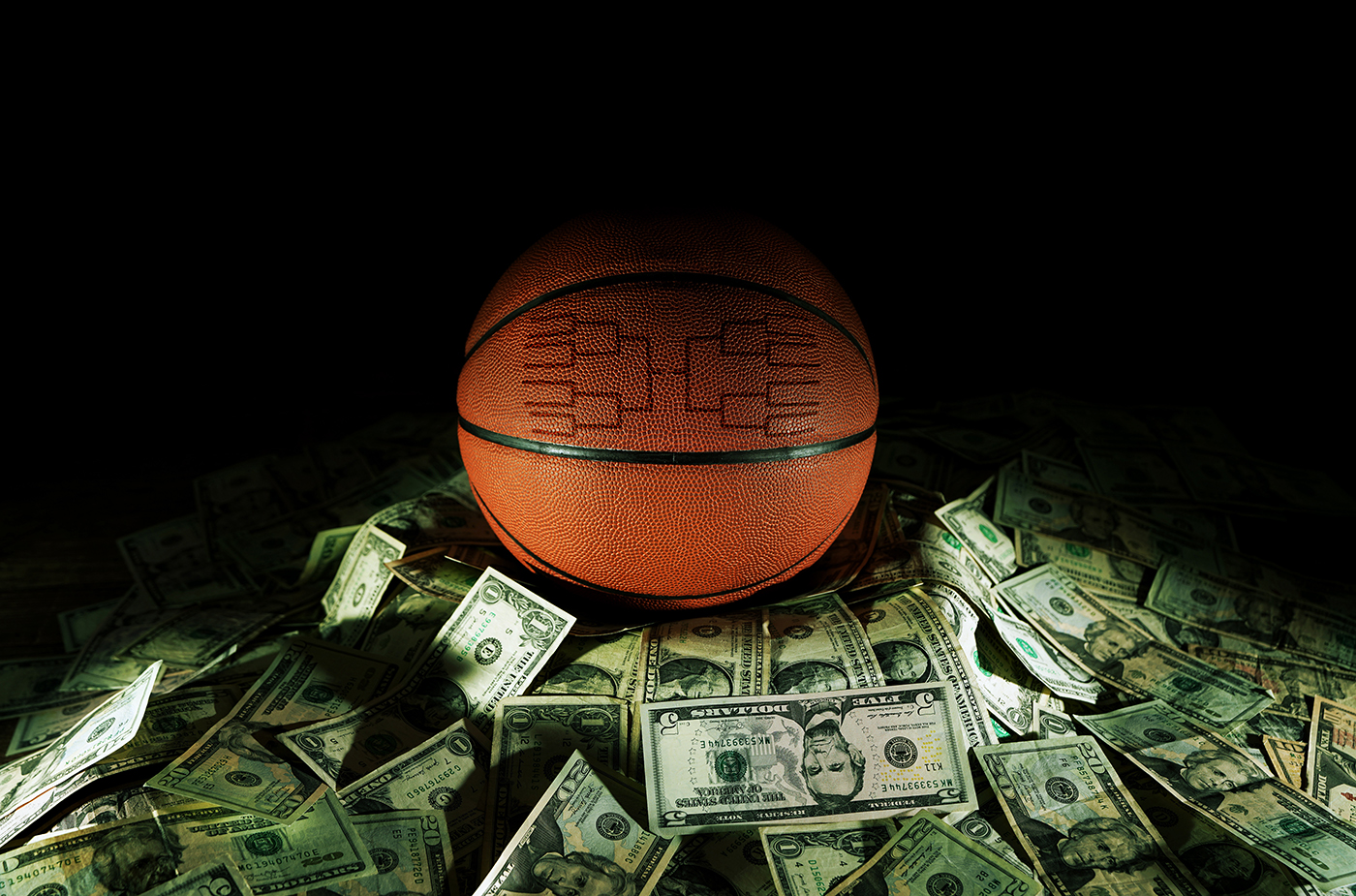
Sports these days are not how they used to be. They used to be about the love and passion for the game and doing it for the city you are playing for. Now in the modern time, all pro athletes really care about is money and getting paid. Of course every pro athlete should get paid because playing is a full time job, but some pro athletes take advantage of things and want way more than they need or should get. While back a few decades ago, athletes were all making money, they still played for the love of the games.
At the pro level, organizations like the National Football League and the National Basketball Association are not just sport organizations anymore; they are big businesses. While sports has always been about money, the scale of that is way different today than it was. Athletes have billion dollar TV deals, sponsorships, and advertising everywhere, turning every game into a way of getting money for them and maximizing revenue. While this is normal for businesses, it gets to a point of ridiculousness when they charge so much money for everything and pay the athletes so much money.
When a player is a free agent and looking to sign with another team, the first thing they look at these days is the contract and trying to maximize as much money as they could possibly get. They do not do it for love anymore. If a player is not getting paid what he likes, he will ask to get traded or get released from the team and see if another team is willing to pay them the money they want.
It is not only at the pro level where the athletes want so much money. It is also at the college level with NIL deals. An athlete that is 18 and fresh out of high school can get offered millions to go play for one school. The kids usually go for the money and do not look at any more schools. NIL is terrible because kids that age do not know what to do with all of that money; they will just buy something that is useless, like a sports car or expensive jewelry. For example, Arch Manning, who is a Texas college football team quarterback, got five to seven million dollars in NIL while still being in college. After their college careers, athletes get drafted and every year the rookie signing bonus and deals go up and they get paid even more.
Fans also feel this. When a fan wants to go to a game and support their team, the tickets are super expensive and food and drinks at the concessions are as well. Getting a jersey of your favorite player could run someone up to $200. What used to be a regular outing to a game is now a rare event to go to one. Watching from home is cheaper but is still not free. You have to pay monthly subscriptions to watch sporting events. The message is now clear: being a fan now comes with a price tag.
None of this means the love has disappeared entirely. Players still celebrate big wins, fans still fill stadiums, and unforgettable moments still happen. But those moments now exist within a big price of money. The difference is noticeable. What once felt like pure competition now often feels like a carefully managed business operation.
The truth is that sports will likely never return to what they once were. The money that the industry is making is too large to ignore, and money will continue to shape its future. However, that does not mean fans have to fully accept the change. Noticing the shift is important. It allows people to question decisions, push back against rising costs, and hold leagues accountable for trying to make as much money possible rather than consider the fans’ experience.
Overall, sports will not be how it once was where it is not all about the money, but even today with all of the money involved, people still celebrate, create memories, and make the most out of what they can even with money taking over.